
Polar Regions:
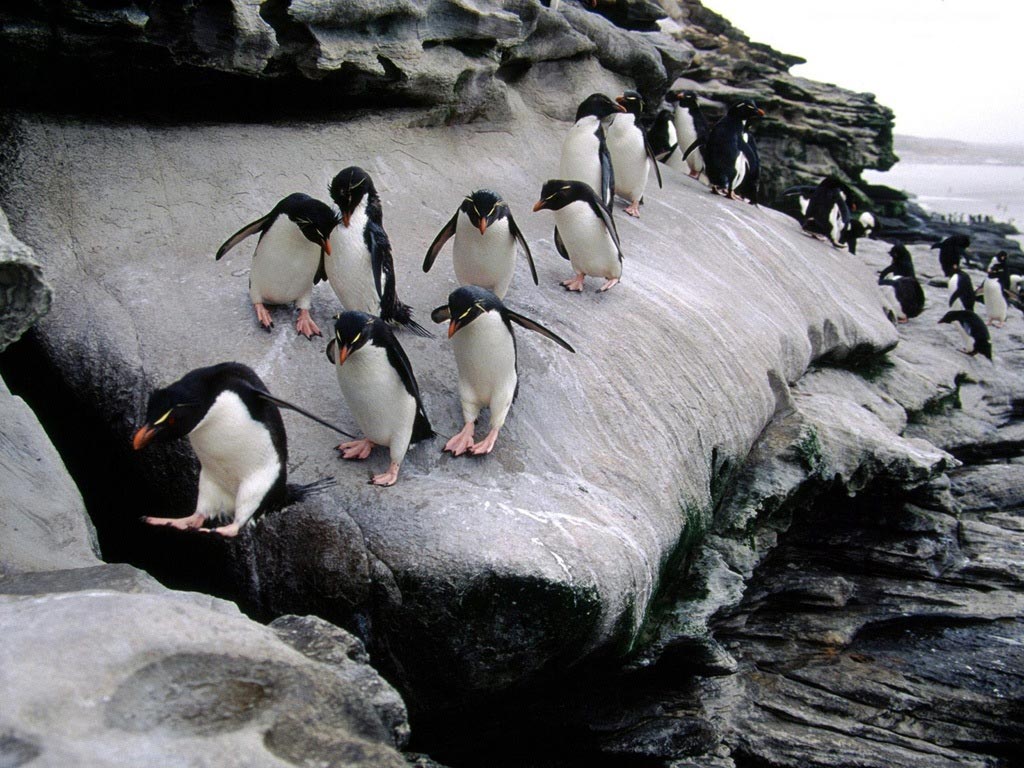
The areas immediately around the North and South Poles are frozen deserts, but move a little further out and plenty of animals live with the ice.
Cool Forests:

Parts of the world have seasons: spring, summer, autumn, and winter, It is an environment in which broad-leaved, or deciduous, trees flourish.
RainForests:

In areas of land near the equator, it is hot and humid. This is where you will find the tropical rain forests, full of colorful plants and animals.
GrassLands:.
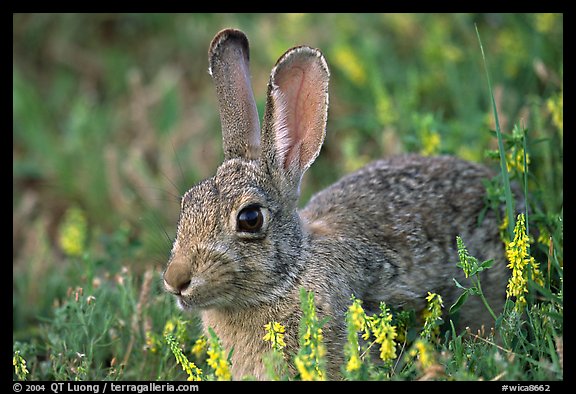
There are about 10,800 species of grass. Huge areas of grasslands attradct grass-eating animals, which attract predators such as lions and cheetahs.
Deserts:

One- seventh of all land is desert. At first sight a desert may seem barren, But desert plants and animals have some surprising ways of surviving.
Mountains and caves:

Mountains cover five per cent of all land. Plants and animals living on a mountain have to cope with less oxygen, severe cold, and strong winds.
Fresh Water:

The world is full of freshwater lakes, rivers, and streams, all fed by rainwater. These habitats attract all sorts of insects, animals, and plants.
Oceans:

Earth is largely made up of oceans. Animals and some plants flourish in this salty world. Most sea life is found n shallow water and around coral reefs.
Towns and Cities:

From mosses growing in brick walls to rats rooting through our rubbish, many plants and animals have settled in our towns and cities.
